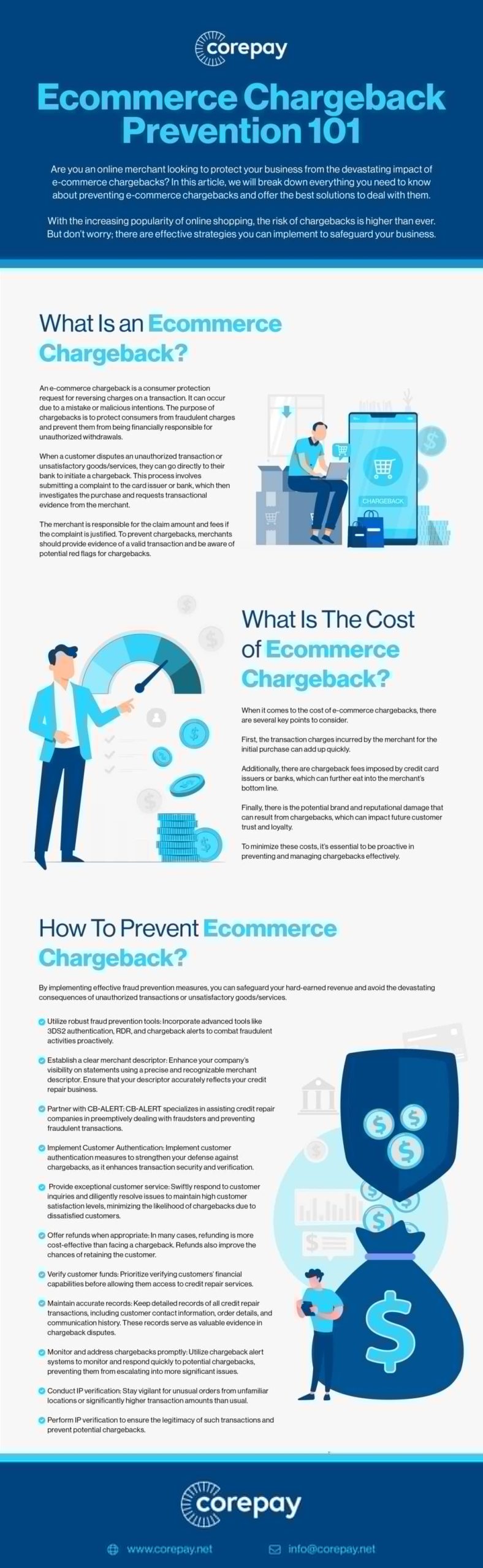
Welcome to our guide on protecting your online business with e-commerce chargeback prevention strategies. As an online entrepreneur, you understand the importance of safeguarding your business from potential risks and losses. Chargebacks can be a major headache for e-commerce businesses, but with the right prevention strategies in place, you can minimize the impact they have on your bottom line. In this article, we will explore some effective ways to prevent and manage chargebacks, helping you run a smooth and secure online operation.
Understanding E-Commerce Chargebacks
When it comes to running an e-commerce business, chargebacks can be a frustrating and costly issue to deal with. Chargebacks occur when a customer disputes a transaction with their credit card issuer, leading to the funds being reversed and returned to the customer. This can happen for a variety of reasons, such as fraud, identity theft, or simply dissatisfaction with the product or service.
One of the main reasons that chargebacks are so problematic for e-commerce businesses is that they can lead to significant financial losses. Not only do you lose the revenue from the original sale, but you may also be hit with additional fees and penalties from your payment processor. In addition, too many chargebacks can also damage your merchant reputation and put your ability to process payments at risk.
It’s important for e-commerce businesses to understand the reasons why chargebacks occur in order to effectively prevent them in the future. Some common reasons for chargebacks include unauthorized transactions, where the customer claims they did not make the purchase; non-receipt of goods or services, where the customer claims they never received what they paid for; and product quality issues, where the customer is not satisfied with the product or service they received.
One way to protect your e-commerce business from chargebacks is to have clear and transparent policies regarding refunds, returns, and disputes. Make sure that your customers are aware of these policies at the time of purchase, and make it easy for them to contact you if they have any issues or concerns. In addition, consider using fraud prevention tools and services to help identify and flag potentially fraudulent transactions before they result in chargebacks.
Another important step in preventing chargebacks is to provide top-notch customer service. Make sure that your customers are satisfied with their purchases and address any issues or concerns promptly and professionally. By building strong relationships with your customers and providing excellent service, you can reduce the likelihood of them resorting to a chargeback to resolve their disputes.
In conclusion, chargebacks can be a major headache for e-commerce businesses, but with the right strategies in place, you can protect your business from financial losses and maintain a positive reputation with your customers. By understanding the reasons why chargebacks occur and taking proactive steps to prevent them, you can keep your e-commerce business running smoothly and successfully.
Importance of Chargeback Protection
Chargeback protection is essential for e-commerce businesses in order to safeguard themselves against fraudulent transactions and disputes from customers. Chargebacks occur when a customer disputes a transaction and requests their money back from the bank. This not only results in a financial loss for the business but also affects their reputation and trustworthiness.
Having chargeback protection in place can help businesses prevent these disputes from happening in the first place. By implementing fraud detection tools and security measures, businesses can identify and block potentially fraudulent transactions before they occur. This not only protects the business from financial loss but also helps maintain customer trust and loyalty.
Furthermore, chargeback protection can help businesses streamline their operations and improve efficiency. By automating the chargeback process and integrating it with their payment systems, businesses can save time and resources in handling disputes. This allows them to focus on other aspects of their business, such as marketing and customer service, which can lead to increased sales and revenue.
Another important aspect of chargeback protection is the ability to track and analyze transaction data. By monitoring chargeback trends and patterns, businesses can identify areas of potential risk and take proactive measures to prevent disputes in the future. This data can also help businesses improve their fraud detection algorithms and security protocols, leading to a more secure and reliable payment process.
Overall, chargeback protection is crucial for e-commerce businesses to protect themselves against fraud, disputes, and financial loss. By investing in robust security measures, automation tools, and data analysis capabilities, businesses can minimize their risk exposure and enhance the customer purchasing experience. In today’s digital age, where online transactions are on the rise, chargeback protection is not just a luxury but a necessity for e-commerce success.
Common Causes of Chargebacks in E-Commerce
Chargebacks are a common issue faced by e-commerce businesses and can result in financial losses and damage to reputation. Understanding the common causes of chargebacks can help merchants prevent these disputes and protect their revenue. Here are some of the most frequent reasons why chargebacks occur in the e-commerce industry:
1. Unauthorized Transactions: One of the primary reasons for chargebacks in e-commerce is unauthorized transactions. This occurs when a customer claims that they did not authorize a purchase made on their credit card. This can happen due to stolen card information, identity theft, or simply because the customer forgot about making the purchase. To prevent unauthorized transactions, merchants should implement secure payment processing systems, require CVV codes for online transactions, and use fraud detection tools to flag suspicious activities.
2. Fraudulent Activities: Fraudulent activities, such as using stolen credit card information to make purchases, are another common cause of chargebacks. Fraudsters often target e-commerce businesses due to the convenience of online shopping. To prevent fraudulent chargebacks, merchants should verify the identity of customers, use address verification systems, and monitor transactions for any suspicious patterns.
3. Friendly Fraud: Friendly fraud, also known as chargeback fraud, occurs when a customer falsely disputes a legitimate transaction with their credit card company instead of contacting the merchant for a refund. This can happen due to buyer’s remorse, misunderstanding of the return policy, or simply to avoid paying for a purchase. Friendly fraud can be challenging to prevent, but merchants can protect themselves by clearly communicating their return policy, providing excellent customer service, and keeping detailed records of transactions and communication with customers.
4. Dissatisfaction with Product or Service: Customers may initiate chargebacks if they are dissatisfied with the product or service they received from an e-commerce merchant. This could be due to receiving damaged or defective items, late delivery, or poor customer service. To prevent chargebacks related to product dissatisfaction, merchants should ensure the quality of their products, provide accurate product descriptions and images, offer easy returns and refunds, and address customer complaints promptly and professionally.
5. Billing Issues: Billing issues, such as double charges, incorrect amounts, or subscription renewals without proper notification, can also lead to chargebacks. These disputes often arise from misunderstandings or mistakes in billing processes. To prevent billing-related chargebacks, merchants should clearly state their billing policies, provide transparent pricing information, and ensure that all charges are accurately reflected on customers’ statements.
In conclusion, chargebacks can have a significant impact on e-commerce businesses, but understanding the common causes and implementing preventive measures can help merchants mitigate the risks. By addressing issues such as unauthorized transactions, fraudulent activities, friendly fraud, dissatisfaction with products or services, and billing issues, e-commerce businesses can protect their revenue and reputation in an increasingly competitive online marketplace.
Steps to Prevent Chargebacks
Chargebacks can be a headache for e-commerce businesses, resulting in lost revenue and increased costs. However, there are steps you can take to prevent chargebacks and protect your business. Here are some tips to help you reduce the risk of chargebacks:
1. Provide Clear Product Descriptions: One common reason for chargebacks is when customers receive products that are not as described or expected. To prevent this, make sure your product descriptions are accurate and detailed. Include information such as size, color, material, and any other relevant details that will help customers make an informed decision.
2. Use Secure Payment Processing: Ensure that your e-commerce website uses a secure payment processing system to protect customers’ financial information. This will help prevent unauthorized transactions and reduce the risk of chargebacks resulting from fraud.
3. Offer Excellent Customer Service: Providing excellent customer service can help prevent chargebacks by addressing any issues or concerns that customers may have before they escalate to a chargeback. Be responsive to inquiries, provide timely updates on orders, and offer easy returns and refunds processes to keep customers satisfied.
4. Implement a Clear Refund Policy: Having a clear and easily accessible refund policy can help prevent misunderstandings and reduce the likelihood of chargebacks. Make sure your refund policy is prominently displayed on your website and includes information on how customers can request refunds, the timeframe for refunds, and any conditions or restrictions that apply.
5. Verify Customer Identities: To prevent chargebacks resulting from unauthorized transactions, consider implementing additional verification measures to confirm customers’ identities. This could include requiring customers to provide additional information during the checkout process or using tools such as address verification systems (AVS) or card security codes (CVV) to reduce fraud risk.
6. Monitor Transactions for Suspicious Activity: Keep an eye on your e-commerce transactions for any signs of suspicious activity, such as unusually large orders, multiple transactions from the same IP address, or shipping addresses that differ from billing addresses. Flag these transactions for further review to prevent potential chargebacks.
By following these proactive steps to prevent chargebacks, you can help protect your e-commerce business from financial losses and maintain a positive relationship with your customers. Remember that preventing chargebacks requires ongoing vigilance and continuous improvements to your processes and policies.
Choosing the Right Chargeback Protection Solution
When it comes to choosing the right chargeback protection solution for your e-commerce business, there are several factors to consider. It is important to find a solution that provides comprehensive coverage and protection against fraudulent chargebacks, while also offering support and guidance to help you navigate the complex world of payment disputes.
One of the first things to consider when choosing a chargeback protection solution is the level of protection it offers. Look for a solution that provides real-time monitoring and alerts for suspicious transactions, as well as customizable rules and filters to help prevent chargebacks before they happen. A good solution should also offer 24/7 customer support to help you resolve any disputes that do arise quickly and efficiently.
Another important factor to consider is the cost of the chargeback protection solution. While it is important to invest in a solution that provides comprehensive protection, you also want to make sure that it is affordable and fits within your budget. Look for a solution that offers transparent pricing with no hidden fees or extra charges.
It is also important to consider the reputation of the chargeback protection provider. Look for a provider with a proven track record of success in helping e-commerce businesses prevent and resolve chargebacks. Read customer reviews and testimonials to get a sense of the provider’s reputation and level of customer satisfaction.
When choosing a chargeback protection solution, it is also important to consider the level of integration and compatibility with your existing e-commerce platform. Look for a solution that is easy to integrate with your website and payment gateway, and that offers seamless compatibility with popular e-commerce platforms like Shopify, WooCommerce, and Magento.
Finally, consider the additional features and benefits offered by the chargeback protection solution. Look for a solution that offers advanced analytics and reporting tools to help you monitor and track chargeback trends, as well as customizable dashboards and alerts to keep you informed of any potential issues. Some solutions also offer chargeback insurance or reimbursement programs to help offset the cost of chargebacks.
Choosing the right chargeback protection solution for your e-commerce business is an important decision that can have a big impact on your bottom line. By considering factors such as level of protection, cost, reputation, integration, and additional features, you can find a solution that meets your needs and helps you prevent and resolve chargebacks effectively.
Originally posted 2025-03-06 00:00:00.