The Title: Streamlining Your Finances: The Top E-Commerce Accounting Software Solutions
Welcome to the world of e-commerce accounting software solutions! In today’s fast-paced digital landscape, managing your finances efficiently is key to the success of your online business. Streamlining your finances and keeping track of your transactions can be a daunting task, but with the right tools and software, it can be made much simpler. In this article, we will explore the top e-commerce accounting software solutions that can help you take control of your finances and keep your business running smoothly.
Benefits of E-commerce Accounting Software
Managing the finances of an e-commerce business can be a challenging and time-consuming task. However, with the right e-commerce accounting software, you can streamline your financial processes and save valuable time and resources. There are several benefits that come with using e-commerce accounting software to manage your online business finances.
One of the key benefits of e-commerce accounting software is automation. Manual financial tasks such as data entry, invoicing, and reconciliation can be time-consuming and prone to errors. E-commerce accounting software automates these processes, allowing you to save time and reduce the risk of human error. This automation also helps ensure that your financial data is accurate and up to date, giving you a clear picture of your business’s financial health.
Another benefit of e-commerce accounting software is real-time reporting. With traditional accounting methods, you may have to wait until the end of the month or quarter to see how your business is performing financially. E-commerce accounting software provides real-time reporting, giving you instant access to key financial metrics such as sales, expenses, and cash flow. This real-time reporting allows you to make informed decisions about your business quickly and accurately.
In addition to automation and real-time reporting, e-commerce accounting software also offers scalability. As your e-commerce business grows, your financial processes will become more complex. E-commerce accounting software is designed to scale with your business, allowing you to easily manage an increasing number of transactions, customers, and products. This scalability ensures that your financial processes can keep up with the pace of your business growth without the need for manual intervention.
Furthermore, e-commerce accounting software can help improve the accuracy of your financial data. By automating data entry and reconciliation processes, e-commerce accounting software reduces the risk of human error and ensures that your financial data is accurate. This accuracy is crucial for making informed business decisions and complying with tax and regulatory requirements.
Overall, e-commerce accounting software offers a range of benefits for businesses of all sizes. From automation and real-time reporting to scalability and improved accuracy, e-commerce accounting software can streamline your financial processes and help you make informed decisions about your online business. If you are looking to streamline your e-commerce business finances and save time and resources, consider investing in e-commerce accounting software today.
Features to Look for in E-commerce Accounting Software
When it comes to managing the financial aspect of your e-commerce business, it is crucial to invest in the right accounting software. With the myriad of options available in the market, it can be overwhelming to choose one that best suits your needs. To help you make an informed decision, here are some key features to look for in e-commerce accounting software.
1. Integration with E-commerce Platforms: One of the most important features to consider when selecting accounting software for your e-commerce business is its ability to integrate seamlessly with your e-commerce platform. This integration allows for the automatic syncing of sales data, order information, and customer details, saving you time and reducing the risk of errors in data entry.
2. Inventory Management: Another essential feature to look for in e-commerce accounting software is robust inventory management capabilities. This feature provides you with real-time visibility into your stock levels, allowing you to track inventory movements, monitor product performance, and set up automated reordering when stock runs low. Additionally, advanced inventory management features such as batch tracking, serial number tracking, and multi-location support can help streamline your operations and improve accuracy in stock management.
3. Multi-currency Support: If you cater to a global audience and conduct transactions in multiple currencies, it is crucial to choose accounting software that offers multi-currency support. This feature allows you to handle international transactions seamlessly, automatically converting currencies at current exchange rates, and providing you with accurate financial reports in your preferred currency.
4. Tax Compliance: Tax regulations can be complex and vary across different regions. Therefore, it is essential to select e-commerce accounting software that ensures compliance with tax laws and regulations. Look for software that can calculate sales tax, VAT, GST, and other taxes automatically based on the location of the customer and the type of products sold. This feature can save you time and resources by simplifying tax reporting and ensuring accuracy in tax calculations.
5. Financial Reporting: Effective financial reporting is essential for making informed business decisions and monitoring the health of your e-commerce business. Choose accounting software that offers a wide range of customizable reports, including profit and loss statements, balance sheets, cash flow statements, and sales reports. The ability to generate detailed reports can help you analyze your business performance, identify trends, and make strategic financial decisions to drive growth.
6. Scalability and Customization: As your e-commerce business grows, your accounting needs will evolve. Look for accounting software that is scalable and customizable to accommodate your changing requirements. Scalable software can grow with your business, allowing you to add features and users as needed. Customizable features enable you to tailor the software to fit your unique business processes and workflows, improving efficiency and productivity.
By considering these key features when selecting e-commerce accounting software, you can ensure that you choose a solution that meets your business needs, streamlines your financial processes, and supports your growth and success in the competitive e-commerce landscape.
Best E-commerce Accounting Software Solutions
As e-commerce businesses continue to thrive in the digital age, having the right accounting software is crucial for managing finances effectively. Here are three top e-commerce accounting software solutions that can help streamline your financial processes and keep your business running smoothly:
Xero
Xero is a popular choice for e-commerce businesses due to its user-friendly interface and robust features. This cloud-based accounting software allows you to easily track sales, expenses, inventory, and more. With Xero, you can create professional invoices, reconcile bank transactions, and generate detailed financial reports to gain insights into your business’s performance. The software also integrates with various e-commerce platforms, such as Shopify, WooCommerce, and Amazon, making it easy to manage all your financial data in one place.
QuickBooks Online
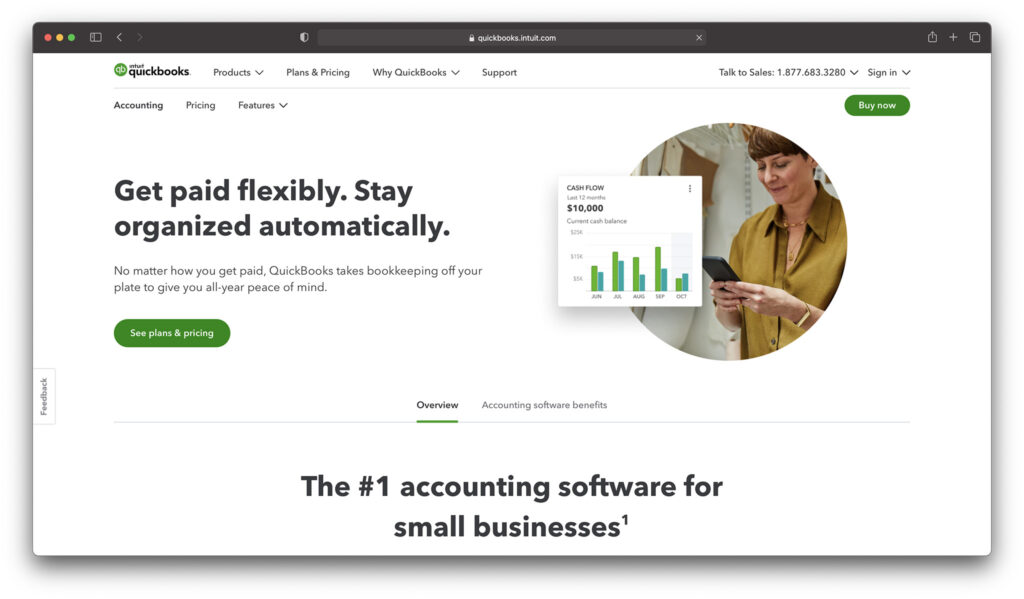
QuickBooks Online is another well-known accounting software that is widely used by e-commerce businesses. With features like invoicing, expense tracking, inventory management, and sales tax calculations, QuickBooks Online is a comprehensive solution for handling your finances. The software also offers integration with popular e-commerce platforms like Shopify, eBay, and Etsy, allowing you to automatically sync your sales and expenses data. Additionally, QuickBooks Online provides real-time financial reports and insights, giving you a clear picture of your business’s financial health at any time.
Wave
Wave is a free accounting software that is ideal for small e-commerce businesses looking to manage their finances without breaking the bank. With Wave, you can easily track income and expenses, create and send professional invoices, and generate financial reports to track your business’s performance. The software also offers features like automatic bank reconciliation, receipt scanning, and payroll services, making it a comprehensive solution for e-commerce businesses of all sizes. Although Wave may not have as many advanced features as other accounting software solutions, it is a great option for budget-conscious entrepreneurs who need basic financial tools to run their business efficiently.
When choosing the best e-commerce accounting software for your business, consider factors like ease of use, integration capabilities, pricing, and scalability. Each of the above-mentioned software solutions offers unique features and benefits that can help you streamline your financial processes and make informed business decisions. By investing in the right e-commerce accounting software, you can ensure that your business’s finances are in order and set yourself up for success in the competitive e-commerce marketplace.
How E-commerce Accounting Software Streamlines Tax Processes
E-commerce accounting software plays a crucial role in streamlining tax processes for online businesses. With the rise of e-commerce, the need for efficient tax management has become more important than ever. Here are some ways in which e-commerce accounting software can simplify and automate tax processes:
Automated Tax Calculation: One of the key features of e-commerce accounting software is its ability to automatically calculate taxes based on the location of the customer and the type of product being sold. This eliminates the need for manual calculations and reduces the risk of errors in tax calculations.
Integration with Tax Filing Systems: E-commerce accounting software can integrate with tax filing systems, making it easier for businesses to file their taxes accurately and on time. This integration ensures that all tax-related data is stored in one place and can be easily accessed when needed.
Real-time Tax Updates: Tax laws and rates can change frequently, making it challenging for businesses to stay up-to-date with the latest tax regulations. E-commerce accounting software provides real-time updates on tax laws and rates, ensuring that businesses are always compliant with the latest tax requirements.
Electronic Tax Payments: E-commerce accounting software simplifies the process of making tax payments by allowing businesses to make electronic payments directly from the software. This not only saves time but also reduces the risk of errors in manual payment processes.
Customizable Tax Reports: E-commerce accounting software allows businesses to generate customizable tax reports that provide detailed insights into their tax liabilities and deductions. These reports help businesses to better understand their tax obligations and make informed decisions about their tax planning strategies.
Audit Trail: E-commerce accounting software maintains a detailed audit trail of all tax-related transactions, making it easier for businesses to track and reconcile their tax records. This audit trail helps businesses to maintain accurate tax records and provides a clear trail of all tax-related activities for auditing purposes.
Compliance with Tax Laws: By streamlining tax processes and automating tax calculations, e-commerce accounting software helps businesses to stay compliant with tax laws and regulations. This reduces the risk of penalties and fines for non-compliance and ensures that businesses are operating within the legal framework.
In conclusion, e-commerce accounting software is an essential tool for online businesses looking to streamline their tax processes. By automating tax calculations, integrating with tax filing systems, providing real-time tax updates, enabling electronic tax payments, generating customizable tax reports, maintaining an audit trail, and ensuring compliance with tax laws, e-commerce accounting software simplifies tax management and helps businesses to stay on top of their tax obligations.
Implementing E-commerce Accounting Software for Small Businesses
As an owner of a small business venturing into the world of e-commerce, implementing the right accounting software is crucial for managing finances efficiently. With so many options available in the market, it can be overwhelming to choose the best one for your business. Here are some factors to consider when implementing e-commerce accounting software for small businesses:
1. Scalability: When selecting accounting software for your small business, it is essential to choose a system that can grow with your company. Look for software that can handle an increase in transactions and users as your business expands.
2. Integration: It is important to choose accounting software that integrates seamlessly with your e-commerce platform. This integration will streamline processes, save time, and reduce the risk of errors in managing financial data.
3. Cloud-based vs. On-premise: Consider whether you want a cloud-based or on-premise accounting solution. Cloud-based software offers flexibility and accessibility from anywhere with an internet connection, while on-premise solutions may offer more customization and security.
4. Ease of Use: Opt for accounting software that is user-friendly and easy to navigate. Training employees on how to use the software should be quick and efficient to ensure a smooth transition.
5. Support and Training: When implementing e-commerce accounting software for your small business, ensure that the provider offers adequate support and training resources. It is essential to have access to a knowledgeable support team that can assist with any issues or questions that may arise. Additionally, look for software that provides training materials, tutorials, and webinars to help you and your team make the most of the software’s features.
By considering these factors and taking the time to choose the right e-commerce accounting software for your small business, you can streamline financial processes, improve accuracy, and ultimately drive growth and success for your online venture.
Originally posted 2025-03-11 09:00:00.