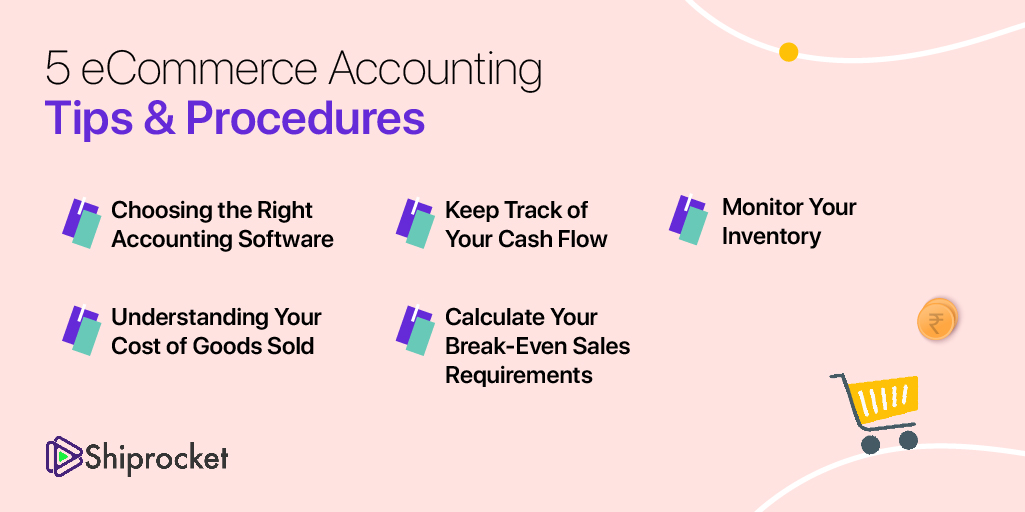
Welcome and thank you for joining us as we explore the importance of e-commerce accounting services. In the fast-paced world of online business, keeping track of finances and managing transactions can be overwhelming. That’s where e-commerce accounting services come in, providing invaluable support and expertise to help businesses thrive in the digital marketplace. Whether you’re a small startup or a large corporation, proper accounting practices are essential for success. Let’s delve into why e-commerce accounting services are crucial for your business’s growth and sustainability.
The Importance of E-Commerce Accounting
As the world becomes increasingly digital, more and more businesses are turning to e-commerce as a way to reach customers. With the rise of online shopping, the need for proper accounting practices in the e-commerce industry has become more crucial than ever. E-commerce accounting services play a vital role in helping businesses manage their finances, track their sales, and comply with tax regulations. In this article, we will explore the importance of e-commerce accounting and how it can benefit businesses of all sizes.
One of the main reasons why e-commerce accounting is so important is because it helps businesses keep track of their financial transactions. When running an online store, there are a lot of moving parts that can make it easy to lose track of where money is coming in and going out. E-commerce accounting services can help businesses stay organized by tracking all sales, expenses, and profits in one central system. This makes it easier for business owners to monitor their financial health and make informed decisions about their operations.
Another important aspect of e-commerce accounting is tax compliance. In the world of e-commerce, businesses are often selling products to customers in different states or even countries. This can make tax compliance a complex and challenging task. E-commerce accounting services can help businesses navigate these regulations and ensure that they are collecting and remitting the correct amount of taxes. This can help businesses avoid costly fines and penalties for non-compliance.
Furthermore, e-commerce accounting services can provide businesses with valuable insights into their financial performance. By tracking key performance indicators such as sales growth, profit margins, and customer acquisition costs, businesses can identify areas of strength and weakness in their operations. This information can help businesses make strategic decisions to improve their profitability and grow their business.
Additionally, e-commerce accounting services can help businesses streamline their financial processes. By automating tasks such as invoicing, inventory management, and financial reporting, businesses can save time and reduce the risk of human error. This can free up resources to focus on other aspects of the business, such as marketing, customer service, and product development.
In conclusion, e-commerce accounting is a crucial aspect of running a successful online business. By keeping track of financial transactions, ensuring tax compliance, providing valuable insights, and streamlining processes, e-commerce accounting services can help businesses of all sizes operate more efficiently and effectively. Whether you are a small startup or a large corporation, investing in e-commerce accounting services can help you stay ahead of the competition and achieve your business goals.
Outsourcing vs In-House Accounting Services
When it comes to managing the financial aspects of your e-commerce business, one of the key decisions you’ll have to make is whether to outsource your accounting services or keep them in-house. Both options have their pros and cons, and it’s important to carefully consider which one is the best fit for your specific business needs.
Outsourcing your accounting services to a third-party provider can offer a number of benefits. One of the biggest advantages is the cost savings that can be achieved by outsourcing. Hiring and training an in-house accountant can be expensive, whereas outsourcing allows you to pay for the services you need on a more flexible basis. Additionally, outsourcing can also free up valuable time and resources that can be better spent on growing your e-commerce business.
Another advantage of outsourcing your accounting services is the expertise that external providers can bring to the table. Accounting firms specialize in providing financial services to a wide range of businesses, which means they have a wealth of knowledge and experience to draw upon. This can be particularly beneficial for e-commerce businesses, which often have unique accounting needs that may be unfamiliar to in-house accountants.
On the other hand, keeping your accounting services in-house also has its advantages. One of the biggest benefits of in-house accounting is the level of control and oversight that you have over your financial processes. With an in-house accountant, you can closely monitor your financial data and make real-time decisions based on accurate and up-to-date information.
In-house accounting can also offer a greater level of customization and flexibility. Your accountant can tailor their services to meet the specific needs of your e-commerce business, providing personalized support and guidance that may not be available with an outsourced provider. Additionally, having an in-house accountant can foster a sense of teamwork and collaboration within your organization, as they become an integral part of your business operations.
Ultimately, the decision to outsource or keep your accounting services in-house will depend on a variety of factors, including the size and scope of your e-commerce business, your budget constraints, and your overall business goals. It’s important to carefully weigh the pros and cons of each option and choose the one that best aligns with your unique needs and circumstances. By making an informed decision about your accounting services, you can set your e-commerce business up for long-term success and financial stability.
Common Accounting Challenges for E-Commerce Businesses
When it comes to running an E-Commerce business, there are several accounting challenges that business owners need to be aware of in order to maintain financial health. From managing cash flow to tracking inventory, here are some common accounting challenges faced by E-Commerce businesses:
1. Cash Flow Management: Cash flow is the lifeblood of any business, and E-Commerce businesses are no exception. It can be challenging to predict when payments will come in from customers, especially if you offer a variety of payment options such as credit cards, PayPal, or installment plans. This can make it difficult to manage your cash flow effectively and could lead to issues with paying bills, employees, or suppliers on time.
2. Inventory Management: Keeping track of inventory levels is crucial for E-Commerce businesses, as you need to know when to reorder products and when to clear out slow-moving items. Without accurate inventory records, you may end up overspending on stock that doesn’t sell or missing out on sales opportunities because you’re out of stock. Implementing an inventory management system that integrates with your accounting software can help you keep track of your stock levels and make informed decisions about purchasing and pricing.
3. Sales Tax Compliance: One of the biggest challenges for E-Commerce businesses is navigating the complex world of sales tax compliance. With customers located in different states or countries, you may be required to collect and remit sales tax on your transactions. However, sales tax laws vary by jurisdiction, and keeping up with changes in regulations can be daunting. Failure to comply with sales tax laws can result in penalties and fines, so it’s crucial to stay informed and ensure that you are collecting the correct amount of sales tax from your customers.
4. Financial Reporting: E-Commerce businesses often deal with a high volume of transactions, which can make financial reporting a time-consuming and complicated process. Generating accurate financial reports is essential for monitoring the health of your business, but it can be challenging to consolidate data from various sources and ensure that your reports are error-free. Investing in accounting software that is specifically designed for E-Commerce businesses can help streamline the reporting process and provide you with valuable insights into your financial performance.
In conclusion, E-Commerce businesses face a unique set of accounting challenges that must be addressed in order to ensure long-term success. By proactively managing cash flow, keeping track of inventory, staying compliant with sales tax laws, and investing in financial reporting tools, E-Commerce businesses can navigate these challenges and achieve sustainable growth.
Choosing the Right E-Commerce Accounting Software
When it comes to managing the finances of your e-commerce business, choosing the right accounting software is crucial. With so many options available in the market, it can be overwhelming to decide which one is the best fit for your business. Here are some factors to consider to help you make an informed decision:
1. User-Friendly Interface: One of the most important aspects to look for in e-commerce accounting software is a user-friendly interface. You want a program that is intuitive and easy to navigate, so you can quickly access the information you need without getting lost in a sea of complicated menus and features.
2. Integration with E-Commerce Platforms: Another key factor to consider is whether the accounting software integrates seamlessly with your e-commerce platform. This will allow for automatic syncing of data such as orders, sales, inventory, and customer information, saving you time and reducing the risk of manual errors.
3. Scalability: As your e-commerce business grows, so will your accounting needs. Look for software that can grow with your business and offers scalability in terms of features, storage capacity, and the number of users. This will prevent the need to switch to a new system as your business expands.
4. Reporting and Analytics: A good e-commerce accounting software should offer robust reporting and analytics tools to help you track key performance indicators (KPIs) and make informed business decisions. Look for a program that provides customizable reports, dashboards, and insights into sales trends, customer behavior, and financial performance. These insights will help you identify areas for improvement and capitalize on opportunities for growth.
5. Security: With sensitive financial data at stake, security should be a top priority when choosing e-commerce accounting software. Look for programs that offer advanced encryption, secure data storage, and regular backups to protect your information from cyber threats and data breaches.
6. Customer Support: Lastly, consider the level of customer support offered by the accounting software provider. You want a company that provides prompt and helpful assistance in case you encounter any issues or have questions about the software. Look for options such as live chat, phone support, tutorials, and online resources to help you make the most of your accounting software.
By taking these factors into consideration, you can choose the right e-commerce accounting software that fits your business needs and helps you streamline your financial operations. Investing in the right software will not only save you time and effort but also provide valuable insights to help you make informed decisions and drive your e-commerce business growth.
Strategies for Streamlining E-Commerce Accounting Processes
When it comes to managing the accounting processes for your e-commerce business, it’s essential to streamline and optimize these tasks to ensure efficiency and accuracy. By implementing the right strategies, you can make your accounting processes more efficient, save time, reduce errors, and ultimately improve your bottom line.
Here are five strategies for streamlining e-commerce accounting processes:
1. Implement Automation Tools: One of the most effective ways to streamline your e-commerce accounting processes is by using automation tools. These tools can help you automate repetitive tasks such as data entry, invoicing, and reconciliation, saving you time and reducing the risk of errors.
2. Integrate Your E-Commerce Platform with Your Accounting Software: Integrating your e-commerce platform with your accounting software can help streamline the flow of data between the two systems. This integration can eliminate the need for manual data entry, reduce the risk of errors, and provide you with real-time financial information.
3. Set Up Regular Reconciliation Processes: Regular reconciliation of your e-commerce transactions with your bank statements is crucial for ensuring the accuracy of your financial records. By setting up regular reconciliation processes, you can quickly identify and resolve any discrepancies, ensuring that your financial data is up to date and accurate.
4. Utilize Cloud-Based Accounting Software: Cloud-based accounting software offers several benefits for e-commerce businesses, including access to real-time financial data, scalability, and flexibility. By using cloud-based accounting software, you can streamline your accounting processes and easily collaborate with your team members or accountants.
5. Outsource Your Accounting Tasks: If you find yourself overwhelmed with the accounting tasks for your e-commerce business, consider outsourcing some or all of these tasks to a professional accounting service. Outsourcing your accounting tasks can help you save time, reduce errors, and focus on growing your business.
When outsourcing your accounting tasks, make sure to choose a reputable and experienced accounting service that specializes in e-commerce businesses. This will ensure that your financial data is handled with care and accuracy, giving you peace of mind that your accounting processes are in good hands.
By implementing these strategies for streamlining e-commerce accounting processes, you can save time, reduce errors, and improve the overall efficiency of your accounting operations. With a streamlined accounting process in place, you can focus on growing your e-commerce business and achieving your financial goals.
Originally posted 2025-03-14 05:00:00.