Welcome, fellow e-commerce business owners! If you’re looking to maximize your profits and streamline your financial processes, you’ve come to the right place. Accounting software solutions can be a game-changer for your online business, helping you track expenses, manage inventory, and analyze sales data more efficiently. In this article, we’ll explore the top accounting software options specifically designed for e-commerce businesses, so you can make an informed decision that will benefit your bottom line. Let’s dive in and take your business to the next level!
Importance of Accounting Software in E-Commerce
Accounting software plays a crucial role in the success of e-commerce businesses. It streamlines financial processes, ensures accuracy in tracking expenses, and provides valuable insights for decision-making. With the rise of online shopping and digital transactions, having reliable accounting software is no longer just an option – it’s a necessity.
One of the key benefits of accounting software in e-commerce is automation. Manual bookkeeping tasks can be time-consuming and prone to errors, especially when dealing with a large volume of transactions. With accounting software, businesses can automate processes such as invoicing, tax calculations, and financial reporting, saving time and reducing the risk of mistakes. This automation not only improves efficiency but also allows businesses to focus on other aspects of their operations.
Another important feature of accounting software for e-commerce is real-time financial data analysis. By having access to up-to-date financial information, businesses can make informed decisions quickly. For example, they can track cash flow, monitor expenses, and analyze sales trends in real time. This level of insight is crucial for staying competitive in the fast-paced e-commerce industry.
Accuracy is also a significant advantage of using accounting software. Manual data entry can lead to human errors, which can have serious implications for a business’s financial health. Accounting software helps minimize these errors by automating calculations and providing built-in checks and balances. This ensures that financial records are accurate and reliable, giving business owners peace of mind.
Additionally, accounting software in e-commerce offers scalability. As businesses grow, their financial processes become more complex. Accounting software can easily adapt to changing needs, whether it’s managing multiple sales channels, handling different currencies, or integrating with other software systems. This scalability is essential for e-commerce businesses looking to expand their operations and reach new markets.
Furthermore, security is a top priority for e-commerce businesses, especially when it comes to financial data. Accounting software provides a secure environment for storing sensitive information, with features such as data encryption, user authentication, and regular backups. This helps businesses comply with data protection regulations and build trust with customers.
In conclusion, accounting software is an invaluable tool for e-commerce businesses. It streamlines financial processes, automates repetitive tasks, provides real-time insights, ensures accuracy, offers scalability, and enhances security. By investing in reliable accounting software, e-commerce businesses can improve their operational efficiency, make better financial decisions, and ultimately achieve long-term success in a competitive market.
Features to Look for in E-Commerce Accounting Software
When it comes to choosing the right accounting software for your e-commerce business, there are certain key features that you should look out for. These features are essential in ensuring that your accounting processes are efficient, accurate, and tailored to the needs of your online store. Below are some of the most important features to consider when selecting e-commerce accounting software:
1. Integration with E-Commerce Platforms: One of the most important features to look for in e-commerce accounting software is seamless integration with popular e-commerce platforms such as Shopify, WooCommerce, and Magento. This integration allows for automatic synchronization of sales data, order information, and customer details between your e-commerce platform and accounting software, eliminating the need for manual data entry and reducing the risk of errors.
2. Multi-Currency Support: For e-commerce businesses that operate in multiple countries or cater to international customers, multi-currency support is a crucial feature to have in accounting software. This feature enables you to easily manage transactions in different currencies, automatically convert foreign currency amounts into your base currency, and accurately track exchange rate fluctuations. Additionally, it allows you to generate financial reports in multiple currencies, making it easier to analyze the financial performance of your online store across different markets.
3. Inventory Management: Another essential feature to look for in e-commerce accounting software is robust inventory management capabilities. A good accounting software solution should offer inventory tracking, stock level monitoring, and automatic updates of inventory data based on sales orders and shipments. This feature not only helps you keep track of your product availability and prevent stockouts but also enables you to make informed decisions about purchasing, pricing, and promoting your products.
4. Automated Tax Calculation: Tax compliance is a major concern for e-commerce businesses, especially those operating in multiple states or countries with different tax regulations. Look for accounting software that offers automated tax calculation based on the location of your customers, the type of products you sell, and the applicable tax rates. This feature can save you time and effort in calculating, collecting, and remitting taxes, as well as help you avoid costly penalties for non-compliance.
5. Reporting and Analytics: In order to make informed business decisions and track the financial performance of your e-commerce store, it is important to have access to detailed reports and analytics. Choose accounting software that offers customizable financial reports, dashboards, and real-time insights into key metrics such as sales revenue, expenses, profitability, and cash flow. These tools can help you identify trends, analyze performance, and identify areas for improvement in your e-commerce business.
When evaluating e-commerce accounting software, consider these features and choose a solution that meets the specific needs of your online store. By selecting the right software with the right features, you can streamline your accounting processes, improve accuracy and efficiency, and gain valuable insights into the financial health of your e-commerce business.
Top Accounting Software Options for E-Commerce Businesses
When running an e-commerce business, having the right accounting software is crucial for keeping track of your finances and ensuring that your business operates smoothly. There are many accounting software options available in the market, each with its unique features and capabilities. To help you navigate through the multitude of choices, here are the top accounting software options specifically designed for e-commerce businesses:
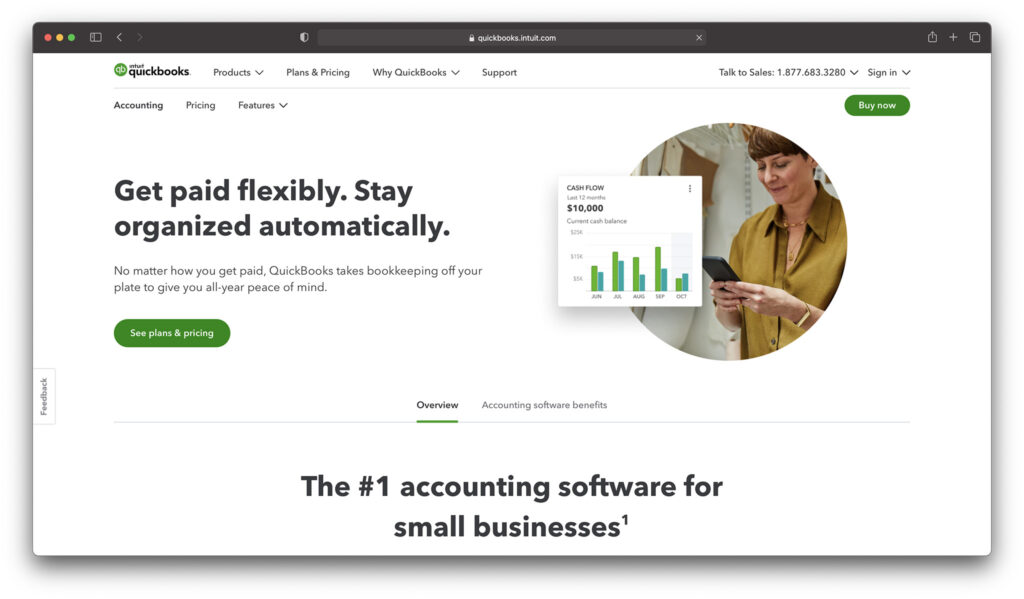
1. QuickBooks Online: QuickBooks Online is a popular choice for e-commerce businesses due to its user-friendly interface and robust features. It allows you to easily track expenses, create invoices, manage inventory, and generate financial reports. QuickBooks Online also integrates seamlessly with e-commerce platforms like Shopify and WooCommerce, making it easy to sync your sales data and streamline your accounting processes.
2. Xero: Xero is another top accounting software option for e-commerce businesses that offers advanced features to help you manage your finances more efficiently. With Xero, you can automate bank feeds, reconcile transactions, track inventory, and handle multi-currency transactions. It also integrates with popular e-commerce platforms like BigCommerce and Amazon, enabling you to easily import sales data and monitor your financial performance in real time.
3. Wave Accounting: Wave Accounting is a free accounting software option that is perfect for small e-commerce businesses looking to simplify their accounting processes without breaking the bank. With Wave, you can create and send professional invoices, track expenses, and generate financial reports with ease. Although it lacks some advanced features compared to paid accounting software, Wave is a great option for e-commerce startups on a tight budget.
How to Choose the Right Accounting Software for Your E-Commerce Business
When it comes to running an e-commerce business, having the right accounting software is crucial to staying organized and financially stable. With so many options available in the market, it can be overwhelming to choose the best one for your specific needs. Here are some key factors to consider when selecting the right accounting software for your e-commerce business:
1. Scalability: One of the most important considerations when choosing accounting software for your e-commerce business is scalability. You want a platform that can grow with your business as it expands. Look for software that offers different pricing plans or add-on features that can accommodate your increasing needs as you scale up.
2. Integration Capabilities: Your accounting software should seamlessly integrate with other tools and platforms that you use for your e-commerce business. This includes your online store, payment gateways, inventory management systems, and more. Integration capabilities will help streamline your operations and reduce the manual work required to transfer data between different systems.
3. User-Friendly Interface: Accounting software can be complex, but it shouldn’t be difficult to use. Look for a platform that offers an intuitive user interface and straightforward navigation. This will ensure that you and your team can easily access and understand your financial data without needing extensive training.
4. Reporting and Analytics Features: One of the key benefits of using accounting software for your e-commerce business is the ability to generate detailed reports and access analytics to make informed financial decisions. Look for software that offers customizable reporting templates, real-time data tracking, and forecasting tools. This will help you gain valuable insights into your business performance and make strategic decisions to improve profitability.
5. Security and Compliance: Protecting your financial data and ensuring compliance with industry regulations are critical for any e-commerce business. Choose accounting software that offers robust security features, such as data encryption, regular backups, and user permissions settings. Additionally, make sure the software complies with relevant accounting standards and regulations to avoid any legal issues down the line.
6. Customer Support: Finally, consider the level of customer support offered by the accounting software provider. You want to have reliable technical support available to help you troubleshoot any issues or answer your questions promptly. Look for software that offers multiple support channels, such as live chat, phone support, and a knowledge base.
By considering these factors and doing thorough research, you can select the right accounting software for your e-commerce business that will help you streamline your financial operations, make data-driven decisions, and ensure long-term success.
Integrating Accounting Software with E-Commerce Platforms
When it comes to running a successful e-commerce business, having the right accounting software that seamlessly integrates with your e-commerce platform is crucial. This integration allows for a more streamlined and efficient process for managing your finances, tracking sales, and analyzing your business performance. Here are 5 ways in which integrating accounting software with e-commerce platforms can benefit your online business:
1. Automated Data Entry: One of the main advantages of integrating accounting software with your e-commerce platform is the ability to automate data entry. This means that sales transactions, customer information, inventory updates, and other important data will be automatically transferred from your e-commerce platform to your accounting software, saving you time and reducing the risk of human error.
2. Real-Time Financial Reporting: With accounting software integrated with your e-commerce platform, you can have access to real-time financial reporting. This allows you to quickly generate reports on sales, expenses, profits, and other financial metrics, giving you a clear picture of your business’s financial health at any given time.
3. Inventory Management: Integrating accounting software with your e-commerce platform can also help you better manage your inventory. By automatically updating your inventory levels as sales are made, you can avoid stockouts, backorders, and other inventory-related issues that can negatively impact your business.
4. Enhanced Security: Another benefit of integrating accounting software with your e-commerce platform is enhanced security. By consolidating all of your financial data in one system, you can better control who has access to sensitive information, reducing the risk of data breaches and fraud.
5. Streamlined Tax Compliance: Perhaps one of the most time-consuming tasks for e-commerce businesses is tax compliance. By integrating accounting software with your e-commerce platform, you can automate the process of calculating and filing taxes, ensuring that you are always in compliance with tax laws and regulations. This can save you a significant amount of time and reduce the risk of costly mistakes that can result in penalties and fines.
Overall, integrating accounting software with your e-commerce platform can bring numerous benefits to your online business, including improved efficiency, better financial management, and enhanced security. By taking advantage of this integration, you can focus more on growing your e-commerce business and less on tedious accounting tasks.
Originally posted 2025-03-04 23:00:00.